Beyond Fire Prevention: A Complete Approach to Business Safety and Security

Fire Prevention Month is all about raising awareness, reducing risks and helping people stay prepared for emergencies. But protecting your business doesn’t stop with fire prevention. 

From fires and equipment failures to unauthorized access, theft and other security threats, businesses face a variety of risks that can disrupt operations and put people and property in danger. 

As Fire Prevention Month ends, it’s a good opportunity to look beyond individual safety measures and consider how fire protection and security systems work together to provide a more comprehensive approach to protecting your business. 

Why do businesses need both fire and security protection? 

Every business faces different risks depending on its industry, operations and facility. 

A warehouse may need to protect valuable inventory, control access to restricted areas and maintain fire protection systems throughout a large building. A restaurant must manage commercial cooking hazards while also protecting employees, customers and property. 

While these facilities have different needs, they share a common goal: protecting people, property and business operations. 

Fire protection systems help detect, control and respond to fires, while security systems help manage access, monitor activity and identify potential threats. 

Together, they provide complementary layers of protection that help businesses prepare for a broader range of risks. 

What Fire and Security Systems Does My Business Need? 

The short answer is: it depends. 

There’s no one-size-fits-all solution for commercial fire and security systems. The right combination depends on your building’s size, layout, daily operations and specific risks. 

A comprehensive approach may include: 

Fire protection and life safety systems 

  • Fire extinguishers: Provide a first line of defense against small, early-stage fires when safe to use. 
  • Fire alarm and detection systems: Help detect potential fire emergencies and alert building occupants. 
  • Fire sprinkler and suppression systems: Help control or suppress fires, including specialized hazards such as commercial cooking equipment. 
  • Emergency and exit lighting: Help occupants identify exits and navigate evacuation routes during emergencies. 
  • Fire alarm monitoring: Helps ensure alarm signals are received and handled according to established monitoring procedures. 

Commercial security systems 

  • Access control: Manages who can enter buildings and restricted areas. 
  • Video surveillance: Provides visibility into activity and footage for reviewing incidents. 
  • Intrusion detection: Helps identify potential unauthorized entry and trigger alerts. 
  • Security monitoring: Provides monitoring and notifications for certain security events, depending on the system and service arrangement. 

Selecting the right equipment is only part of the process. Keeping these systems ready to perform requires ongoing inspections, testing, maintenance and service. 

How do fire and security systems work together? 

Fire protection and security systems serve different purposes, but when properly designed and coordinated, they can support a more effective approach to protecting your facility. 

For example, fire alarms and access control systems may need to work together to support safe evacuation. Depending on the building’s design and applicable codes, certain electronically controlled doors must release automatically when a fire alarm is activated. Coordinating these systems helps businesses balance everyday security with emergency safety requirements. 

Facility renovations and expansions are another important consideration. Adding walls, changing entrances or relocating equipment can affect fire protection coverage and security needs. Evaluating both systems together can help identify potential conflicts, reduce unnecessary rework and ensure your facility remains appropriately protected. 

The goal isn’t necessarily to connect every system. It’s to make sure each one supports your overall safety and security strategy. 

The benefits of a comprehensive approach to fire and security 

Managing multiple systems, vendors and service schedules can quickly become complicated. Working with one trusted provider for fire protection and security services can help simplify those responsibilities. 

Here’s how Silco can help. 

Solutions designed around your facility 

A comprehensive approach begins with understanding your business. Silco’s fire protection and security experts can evaluate your facility, identify potential gaps and recommend solutions based on your building’s layout, operations and specific risks. 

Whether you’re opening a new facility, upgrading equipment or expanding your operations, we’ll help you identify practical solutions that fit your needs and budget. 

Simplified inspections, maintenance and service 

Working with one provider can mean fewer vendors to coordinate, fewer service appointments and less time managing inspections and maintenance. 

Many Silco technicians hold multiple licenses, allowing us to coordinate certain inspections and services during the same visit when possible. Our team also helps track recurring service schedules so you can stay on top of required maintenance. 

Better visibility into compliance and system readiness 

Keeping your facility protected means understanding the condition of your systems and addressing issues as they arise. 

Silco provides inspection reports and service documentation to help identify deficiencies, track maintenance needs and maintain records of completed work. Our team can also help you understand applicable fire protection requirements and recommend corrective actions. 

Through Silco’s online customer portal, customers can conveniently access service reports and documentation when needed. 

One trusted partner. Full-circle peace of mind. 

Protecting your business takes more than individual systems or a once-a-year inspection. It requires a proactive approach to identifying risks, maintaining equipment and preparing for the unexpected. 

Beyond Fire Prevention Month, remember that protecting your people and property is a year-round responsibility. 

From fire extinguishers and alarm systems to access control and video surveillance, Silco provides comprehensive fire protection and security solutions to help businesses manage risks and protect what matters most. 

Contact Silco today to learn how our fire protection and security services can work together to safeguard your business. 


Contact Us

"*" indicates required fields
This field is for validation purposes and should be left unchanged.
Name*

Silco Fire & Security Expands in Louisville, KY with New Facility

PIONEER VILLAGE, KY —  Silco Fire & Security is expanding its presence in the Louisville area with plans for a new facility in Pioneer Village, Kentucky. The investment reflects Silco’s continued growth across Greater Louisville, Southern Indiana and the surrounding region and will provide additional space to support its employees and customers. 

The 20,000-square-foot facility, located near 500 John Harper Road in Pioneer Village, KY, will bring Silco’s Louisville-area teams together under one roof. The $6 million investment will support 45 existing employees and is expected to create approximately 20 new jobs over the next 3 years. 

Construction is expected to be completed August 2027. 

“This investment represents the next chapter of our growth in Kentucky,” said Dave Fraser, president of Silco Fire & Security. “We’ve built a strong team in the Louisville area by bringing together companies with decades of local experience, and this facility gives us the space and resources to continue investing in our people, serving our customers and growing in this market for years to come.” 

Building on Decades of Local Experience 

Silco has grown its Louisville-area presence through the acquisition of established local fire protection companies. 

In 2023, Silco acquired Derby Fire & Safety, which has served businesses and organizations across Kentucky for more than 40 years. Silco continued its growth in the region in 2025 with the acquisitions of Fire Protection Services, Inc. (FPS) and Emergency Monitoring Services (EMS), two established companies with longstanding ties to the Louisville area. 

Together, these companies have strengthened Silco’s local team and presence throughout Greater Louisville, Southern Indiana and surrounding communities. 

Investing in Pioneer Village and Bullitt County 

The project is being developed and constructed in partnership with Merus, which has previously partnered with Silco on major facility projects. 

The project has also received support from local, county and state leaders, reflecting its broader impact on Pioneer Village, Bullitt County and the Commonwealth of Kentucky.  

“On behalf of the City of Pioneer Village, I’m proud to welcome Silco Fire & Security to our community. This new facility will bring Silco’s Louisville-area teams together under one roof, and we’re honored that Pioneer Village was chosen as their next home. We look forward to a long partnership with Silco and to the opportunities this investment will bring to our community,” said Mayor Hatcher of Pioneer Village, Kentucky.

“Bullitt County is honored to have Silco Fire & Security grow with our county. Having a strong and growing company like Silco in Bullitt County is an asset and a boon for the county,” said Keith Griffee, CFO of Bullitt County Fiscal Court.

The new facility represents another step in Silco’s commitment to its employees, customers and communities across Kentucky. 

About Silco Fire & Security 

Silco Fire & Security is a trusted leader in commercial fire protection and security, serving businesses across Ohio, Kentucky, Southeast Indiana, Western Pennsylvania and the greater Detroit area. For more than 65 years, Silco has delivered comprehensive fire and security services backed by expertise and exceptional customer service. 

From fire extinguishers, exit and emergency lighting, fire alarms and sprinkler systems to security cameras and access control, Silco provides comprehensive protection tailored to the unique needs of its customers. 

With more than 500 employees serving more than 45,000 customers, Silco combines local expertise with the resources and capabilities of a growing regional organization, all with one mission: Protecting People and Property. 

Fire Extinguishers 101: What Every Business Needs to Know

Every business should have the appropriate fire extinguishers on hand. But choosing the right types, determining how many you need, installing them correctly and keeping them ready for an emergency can feel complicated. 

Whether you manage an office, restaurant, warehouse or manufacturing facility, understanding the basics of commercial fire extinguishers is an important part of protecting your employees, customers and property. As experts in fire extinguisher sales, installation, inspections and maintenance, the team at Silco is here to help. We’re answering some of the most common questions businesses have about their fire extinguishers. 

What Type of Fire Extinguisher Does My Business Need? 

The right fire extinguisher for your business depends on the fire hazards present in your facility, including the materials, supplies, equipment and operations within your building. 

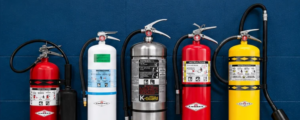
Fires are grouped into five classes based on the type of fuel involved, and extinguishers are rated for the classes of fire they’re designed to extinguish: 

  • Class A: Ordinary combustibles, including wood, paper, fabric, rubber and many plastics. 
  • Class B: Flammable liquids and gases, such as gasoline, oils, solvents, propane and petroleum-based products. 
  • Class C: Fires involving energized electrical equipment, including electrical panels, wiring, motors, servers and appliances. 
  • Class D: Combustible metals, such as magnesium, titanium, sodium and lithium metal, typically found in specialized manufacturing and industrial environments. 
  • Class K: Cooking oils and fats used in commercial cooking equipment. 

Choosing the right fire extinguisher is an important part of keeping your facility safe and prepared. Whether you’re protecting an office, warehouse, commercial kitchen or industrial facility, understanding your fire risks is the first step.

Download our free Selecting the Right Fire Extinguisher Guide to explore the different types of fire extinguishers, understand their uses and find the right protection for your business.

Many offices and commercial facilities use ABC fire extinguishers because they are designed to handle several common types of fires. However, an ABC extinguisher isn’t the right choice for every situation. 

Commercial kitchens and food trucks typically need Class K extinguishers, while server rooms and sensitive electrical areas may benefit from clean-agent extinguishers that minimize residue and potential equipment damage. Facilities with specialized hazards may require other extinguisher types. 

What about lithium-ion batteries? Lithium-ion battery fires present unique hazards and should not be confused with Class D combustible metal fires. Standard ABC extinguishers may not adequately control a lithium-ion battery thermal runaway event. Businesses that use, charge or store lithium-ion batteries should evaluate these risks with a qualified fire protection professional. 

How Many Fire Extinguishers Does My Business Need? 

The number of commercial fire extinguishers your business needs depends on your building’s size, layout, occupancy, fire hazards and applicable code requirements. 

One important consideration is travel distance, or how far someone must travel to reach an appropriate extinguisher. 

For example, under NFPA 10, the maximum travel distance to a Class A extinguisher is generally 75 feet. Class B requirements vary by hazard classification and extinguisher rating, while specialized hazards such as commercial kitchens have additional placement requirements. A small office with standard combustible and electrical hazards will have different needs than a warehouse storing flammable liquids or a restaurant with commercial cooking equipment. 

Ultimately, the local Authority Having Jurisdiction (AHJ), such as the fire marshal or fire department, interprets and enforces applicable fire codes. 

Because requirements vary from one facility to another, a professional site assessment with Silco can help determine the appropriate number, types and placement of extinguishers for your business. 

Where Should Fire Extinguishers Be Located in a Commercial Building? 

Fire extinguishers should be visible, easily accessible and appropriately located for the hazards they’re intended to protect. They should never be blocked by furniture, inventory, equipment or other obstacles. 

Depending on your facility, extinguishers may be needed in areas such as: 

  • Offices and common work areas 
  • Electrical and server rooms 
  • Commercial kitchens and break rooms 
  • Storage areas and warehouses 
  • Manufacturing and maintenance spaces 
  • Areas where flammable liquids or other specialized hazards are present 

Proper placement involves more than choosing convenient locations. Securely mount extinguishers or install them in approved cabinets, place them where employees can access them, and keep them within applicable maximum travel distances. 

Pro Tip: During routine facility walkthroughs, check that extinguishers haven’t been blocked. An extinguisher that’s difficult to reach may not be useful in an emergency. 

Silco can help evaluate your facility and recommend appropriate extinguisher types, quantities and placement based on NFPA 10 and applicable local fire codes. We also offer fire extinguisher cabinets and mounting brackets to meet your facility’s needs. 

How Can I Tell If a Fire Extinguisher Is Suitable for Commercial Use? 

Not every fire extinguisher sold online or at a big-box store is appropriate for every commercial environment. Some are designed primarily for residential use and may not meet your facility’s specific fire protection needs.

When purchasing extinguishers for your business, consider: 

  • Fire classification and rating: Choose extinguishers appropriate for the hazards present in your facility. 
  • Recognized certification: Look for extinguishers listed and labeled by a recognized testing organization, such as UL. 
  • Construction and serviceability: Consider whether the extinguisher is rechargeable and can be professionally maintained throughout its service life. 
  • Code requirements: Confirm the extinguisher meets applicable NFPA 10 and local fire code requirements. 
  • Professional support: Work with a fire protection provider who can help with proper selection, installation, inspections and ongoing maintenance. 

For businesses purchasing equipment in larger quantities, Silco offers wholesale fire extinguishers backed by expert guidance and dependable service. 

How Often Should Fire Extinguishers Be Inspected? 

Portable fire extinguishers generally require monthly visual inspections and annual professional maintenance under NFPA 10 and applicable fire codes. Designated facility personnel can typically perform monthly visual inspections. These checks help confirm that extinguishers are: 

  • In their assigned locations and easily accessible 
  • Free from visible damage, corrosion or signs of leakage 
  • Equipped with intact safety pins and tamper seals, when applicable 
  • Showing an operable pressure reading, if equipped with a gauge 
  • Properly documented according to applicable inspection requirements 

Annual professional maintenance involves a more thorough examination by qualified personnel to evaluate the extinguisher’s condition, verify its readiness and identify any necessary service. 

Even if an extinguisher has never been used, it can lose pressure or develop other issues over time. If the pressure gauge is outside the operable range or the extinguisher shows signs of damage, have it evaluated promptly. 

Keep in mind that some extinguishers, including CO₂ extinguishers, don’t have pressure gauges. These require different methods of checking their charge, making professional maintenance especially important. Silco provides annual fire extinguisher inspections and maintenance to help businesses stay current on required service schedules. 

What Maintenance Do Commercial Fire Extinguishers Require? 

In addition to monthly visual inspections and annual professional maintenance, some commercial fire extinguishers require more extensive service at specific intervals.  Depending on the extinguisher type and applicable requirements, this may include: 

  • Internal maintenance: Certain stored-pressure dry chemical extinguishers require an internal examination every six years. 
  • Hydrostatic testing: Extinguisher cylinders must undergo periodic pressure testing, commonly every five or 12 years depending on the extinguisher type. 
  • Recharging: Rechargeable extinguishers must be serviced after use, even if only partially discharged, and whenever an inspection or maintenance indicates a recharge is necessary. 

Not every extinguisher follows the same maintenance schedule. The extinguishing agent type, cylinder construction, manufacturer requirements and applicable codes all influence when service is needed. 

For businesses managing dozens or even hundreds of extinguishers across one or multiple locations, tracking these requirements can become a challenge. 

Silco helps businesses manage required fire extinguisher inspections, testing, maintenance and recharging so they can stay on top of service schedules and keep their equipment ready when needed. 

What Should I Do After a Fire Extinguisher Is Used? 

Remove any fire extinguisher that has been discharged, even partially, and have it professionally evaluated before returning it to service. 

Rechargeable extinguishers may be serviced and recharged, while certain non-rechargeable extinguishers must be replaced. 

Silco offers fire extinguisher recharge and maintenance services for a variety of extinguisher types, including CO₂ and clean-agent extinguishers. Our team can help determine whether your extinguisher can be safely returned to service or needs replacement. 

Important: Make sure your facility maintains the required fire extinguisher coverage while an extinguisher is out of service. Coordinate with your fire protection provider to determine whether a temporary replacement or other appropriate measures are needed. 

Should Employees Be Trained to Use Fire Extinguishers? 

Having the right fire extinguishers is only part of workplace fire safety. Employees also need to know how to respond if a fire occurs.  Depending on your workplace’s emergency action plan and applicable OSHA requirements, employees may need education or training on using fire extinguishers.  

Some businesses designate specific employees to use extinguishers, while others require all employees to evacuate immediately. Your organization’s emergency procedures should clearly communicate these expectations.  If employees are authorized to use fire extinguishers, they should understand the equipment’s limitations and only attempt to extinguish small, early-stage fires when it is safe to do so. 

Employees who are trained and authorized to use extinguishers should also be familiar with the PASS method: 

  • P — Pull the pin. 
  • A — Aim low at the base of the fire. 
  • S — Squeeze the handle. 
  • S — Sweep from side to side. 

Remember: Employee safety always comes first. If a fire is spreading, producing significant smoke or creating an unsafe situation, evacuate immediately and call 911 from a safe location. Never put yourself in danger trying to fight a fire. 

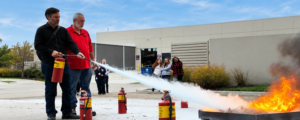
Silco offers hands-on live fire extinguisher training to help employees understand proper extinguisher use and build confidence responding to emergencies. 

Stay Compliant. Protect What Matters. 

Choosing the right fire extinguishers is just the beginning. Proper placement, regular inspections, employee education and ongoing maintenance all play an important role in keeping your business prepared for an emergency. 

Silco helps businesses simplify fire extinguisher management with professional assessments, equipment sales, installation, inspections, maintenance and recharging. Whether you’re outfitting a new facility, purchasing extinguishers for multiple locations, or maintaining existing equipment, our team can help you understand your requirements and keep your extinguishers ready when you need them most. 

Contact Silco today to schedule a site assessment or request a quote. 

Would Your Business Pass a Fire Safety Inspection? A Fire Safety Inspection Checklist 

Fire safety inspections can happen without warning, much like the fires they’re designed to help prevent. 

Conducted by the local fire department, fire marshal or other fire safety officials, these inspections help determine whether your building meets applicable fire and life safety codes. While specific requirements and responsibilities vary by jurisdiction, building owners and business operators both play important roles in maintaining a safe environment. 

Failing a fire safety inspection can result in required corrective actions, fines or, in serious cases, temporary closure. But staying inspection-ready isn’t just about avoiding penalties. It’s about protecting the people and property inside your facility. 

The best approach? Make fire safety part of your everyday operations rather than scrambling to prepare when an inspector arrives.  

Your Business Fire Inspection Checklist
Use this checklist to stay prepared and avoid getting burned by a surprise inspection. 

1. Check fire extinguishers

It’s not enough to simply have fire extinguishers in your building or business. They also must be properly placed, appropriate for the hazards in your space and in good working order. 

Here are a few basics to review: 

  • Make sure the extinguishers are easily accessible and free of obstacles. 
  • Complete the required monthly visual checks. Make sure the pressure gauge needle is in the green zone, confirm the safety pin and seal are intact, and document the monthly inspection on the tag. 
  • Confirm each extinguisher is the correct type and size for the hazards in that area. For example, commercial kitchens that use cooking oils and grease require Class K extinguishers, while Class A extinguishers are designed for common combustibles such as paper, cloth, trash and certain plastics.  

If you’re unsure whether your fire extinguishers meet applicable requirements and National Fire Protection Association (NFPA) standards, Silco’s certified technicians can help. 

We also track when your extinguishers are due for inspection and service, helping you stay on top of required maintenance and cross one more item off your to-do list.

2. Test alarms, sprinklers and exit lighting

Your building’s fire protection and life safety systems play an important role in detecting fires, controlling their spread and helping occupants evacuate safely. 

As part of your regular facility walkthrough: 

  • Check your fire alarm panel for trouble or supervisory signals that may require attention. 
  • Look for visible damage, leaks or obstructions around sprinkler equipment. 
  • Make sure sprinkler control valves are in their required positions and report any unexpected changes. 
  • Verify that required inspections, testing and maintenance are current.  

Pro Tip: Emergency lighting is generally required to provide at least 90 minutes of illumination under applicable building and life safety codes. Make sure your emergency lighting receives required testing and maintenance so it’s ready during a power outage. 

While visual checks can help identify potential concerns, they don’t replace required inspections and testing by qualified personnel.  

3. Review changes to your facility 

Renovations, equipment upgrades and changes to your building’s layout can affect existing fire protection systems, even when the changes seem minor. 

Adding walls, changing how a space is used, increasing storage heights or relocating equipment can affect sprinkler coverage, fire alarm device placement and other fire protection requirements. 

Commercial kitchens are a good example. Kitchen suppression systems are designed around specific cooking equipment and layouts. Moving or replacing appliances can affect nozzle placement and system coverage, potentially leaving equipment inadequately protected or the system noncompliant. 

Before making changes to your facility, consult your fire protection provider to determine whether your existing systems need to be modified, inspected or updated to meet applicable fire codes. 

4. Stay up to date on inspections and maintenance 

Regular inspections, testing and maintenance are essential to keeping your fire protection systems in working order and meeting applicable fire code requirements. 

Make sure you’re staying on top of required service schedules for your fire extinguishers, fire alarm systems, sprinklers, kitchen suppression systems and other fire protection equipment. If an inspection identifies a deficiency, address it promptly rather than waiting until your next scheduled service or fire department inspection. 

At Silco, we help businesses stay on top of their inspection and maintenance schedules. Because many of our technicians hold multiple licenses, we can often complete inspections for several fire protection systems during the same visit, reducing disruptions to your operations and giving you one less thing to manage.

5. Keep documentation organized

When a fire safety inspector arrives, having the right documentation readily available can make the inspection process much smoother. 

Keep inspection reports, service records and documentation of completed repairs organized and accessible. If a previous inspection identified deficiencies, maintain records showing what was corrected and when. 

Make sure someone at your facility knows where these documents are stored and how to retrieve them when requested. 

Pro Tip: Silco customers can conveniently access inspection reports and service documentation through our online customer portal, making it easier to find the records you need when an inspector comes calling.  

Stay Fire Inspection-Ready with Silco
Preparing for a fire safety inspection shouldn’t begin when an inspector walks through your door. Regular equipment checks, professional inspections and maintenance, prompt deficiency corrections and organized records all help keep your facility prepared. 

More importantly, these steps aren’t just about meeting fire code requirements. They’re about protecting your employees, customers and property every day. 

Silco helps businesses stay on top of their fire protection needs with professional inspections, testing, maintenance and repairs for a wide range of fire protection systems. Whether you need to schedule routine service, address a deficiency, or better understand your facility’s fire protection requirements, our team is here to help. 

Contact Silco to Schedule Service

Fire Prevention Month: 5 Fire Safety Tips for Your Business

October is Fire Prevention Month, an important reminder to take a fresh look at fire safety around your property. While fire prevention is a year-round responsibility, every change of season is a good opportunity to reassess your building, refresh safety procedures and address potential risks before they become bigger problems.

The transition to fall brings a few unique considerations as temperatures drop and routines change. While professional fire safety inspections and maintenance are essential, there are also simple steps business owners and facility teams can take to reduce risk and help keep people and property safe.

Want to put these tips into action? Download our Fall Fire Safety Checklist for a quick, printable resource to help identify potential hazards and keep your facility fire-ready this season.

1. Check Your Commercial Fire Alarm System

Your fire alarm system is designed to provide early warning when an emergency occurs, but it can only do its job when it’s properly maintained and working as intended.

As part of your fall fire safety check, take a few minutes to look around your facility. Make sure fire alarm devices, pull stations and notification appliances are visible and unobstructed, and never ignore a trouble or supervisory signal on your fire alarm panel. These signals may indicate an issue that needs attention, even when there isn’t an active fire alarm.

Employees should also recognize what your building’s fire alarm sounds like and know exactly what to do when it is activated. Review evacuation procedures with your teams and reinforce an important rule: never assume an alarm is a false alarm.

Commercial fire alarm systems also require routine inspection, testing and maintenance. Make sure required services are up to date and address deficiencies promptly so your system is ready when it matters most.

Fire Prevention Month Tip: At Home

Don’t forget about the alarms where you live. Test smoke and carbon monoxide alarms regularly, replace batteries when needed and never ignore chirping or other warning signals. Replace alarms according to the manufacturer’s recommendations, and make sure everyone in your household recognizes the sound of the alarms.

2. Review Your Workplace Emergency and Evacuation Plan

Having an emergency plan is important. Making sure people actually know how to use it is even more important.

Walk through your facility and look at your evacuation routes with fresh eyes. Are hallways and stairwells clear? Are exit doors accessible? Are exit signs visible?

Remove boxes, seasonal decorations, furniture, equipment or other items that could obstruct a path to safety.

Employees should know how to exit the building, where to gather once outside and whom to contact in an emergency. When possible, identify alternate evacuation routes in case the closest exit cannot be safely reached.

Once you have a plan in place, review it with employees regularly and practice it. A written plan does little good if no one knows what it says when an emergency occurs.

Fire Prevention Month Tip: At Home

Create and practice a home escape plan, too. Make sure everyone in your household knows how to get out and where to meet once they’re safely outside. If a fire occurs, get out and stay out. Never go back inside to look for another person, a pet or belongings. Tell firefighters immediately if someone may still be inside.

3. Identify Common Workplace Fire Hazards

Many fire risks are hiding in plain sight. One simple way to think about fire prevention is to look for places where a potential ignition source and something that can burn are too close together. Heat-producing equipment, damaged electrical components and open flames can become dangerous
when they’re near paper, cardboard, chemicals, cleaning products or other combustible materials.

Kitchens, break rooms, storage areas, mechanical spaces and electrical rooms deserve extra attention. During your walkthrough, look for overloaded outlets, damaged or frayed electrical cords, improperly stored materials and clutter around electrical panels or equipment.

Extension cords and power strips also shouldn’t be used as a permanent solution when a facility doesn’t have enough electrical outlets. If you regularly rely on them to power equipment, it may be time to have your electrical needs evaluated.

Pay Extra Attention to Space Heaters

When colder weather arrives, employees may start looking for ways to stay warm at their desks. Portable space heaters can introduce both a heat source and additional electrical demand into the workplace.

If your business allows space heaters, establish clear rules for their use. Keep them at least three feet away from paper, boxes, furniture and other combustible materials. Plug heaters directly into a wall outlet rather than an extension cord or power strip, and turn them off when they’re unattended.

Consider allowing only approved heaters with safety features such as automatic shutoff and tip-over protection.

Fire Prevention Month Tip: At Home

The same space-heater rules apply at home. Give portable heaters plenty of clearance from bedding, curtains, furniture and anything else that can burn, and never leave one operating unattended.

If your home has a fireplace or other fuel-burning heating equipment, fall is also a good time to make sure it has been properly inspected and maintained before colder weather arrives.

4. Inspect Your Portable Fire Extinguishers

Portable fire extinguishers are easy to overlook until they’re needed. Fire Prevention Month is a good opportunity to give yours a quick visual check.

As you walk through your facility, make sure extinguishers are:
• Clearly visible and easy to access
• Not blocked by boxes, furniture or equipment
• In their designated locations
• Free from obvious physical damage
• Showing appropriate pressure on the gauge
• Current on required inspection and maintenance

If an extinguisher appears damaged, has been discharged or is missing components such as its pin or tamper seal, have it evaluated by a qualified fire protection professional.

And remember: different types of fires may require different types of extinguishers. Employees who are expected or permitted to use extinguishers should understand the equipment available in your facility and receive appropriate training.

Fire Prevention Month Tip: At Home

If you keep a fire extinguisher at home, don’t bury it in the back of a cabinet or garage. Keep it somewhere accessible, make sure household members know where it is and become familiar with its instructions before an emergency occurs.

5. Make Sure Employees Know What to Do in a Fire

A fire extinguisher can be an important first line of defense, but not every fire should be fought with an extinguisher.

Portable extinguishers are intended for small, early-stage fires when conditions are safe. Before attempting to use one, make sure others are evacuating, emergency services have been contacted and you have a clear escape route behind you.

If the fire is spreading, producing significant smoke or you aren’t confident you can safely approach it, evacuate immediately. Employees should never put themselves at risk to fight a fire. Getting out safely is always the priority.

When it is safe and appropriate to use an extinguisher, remember the PASS method:

• Pull the pin
• Aim low at the base of the fire
• Squeeze the handle
• Sweep from side to side

No one can predict when a fire emergency will occur, but you can prepare for one. Regular fire safety training can help employees understand your emergency procedures, recognize when an extinguisher may be appropriate and learn how to use one correctly.

Silco offers live fire training and classroom programs designed to give employees hands-on knowledge and experience before they’re faced with an actual emergency.

Fire Prevention Month Tip: At Home

Talk about fire safety with everyone in your household, including children. Make sure they understand that their job during a fire is to get outside and stay outside, not to try to fight the fire or retrieve belongings or pets. Once outside, call 911 from a safe location.

Make Fire Prevention a Year-Round Priority

Fire Prevention Month is a good reminder to take a closer look at your facility, but protecting people and property doesn’t stop when October ends.
Regular inspections, properly maintained fire protection systems, employee training and everyday awareness all play a role in reducing fire risk. Take a few minutes this month to walk your facility, look for potential hazards and talk with your team about what they would do in an emergency.

If you identify something that needs attention or aren’t sure whether your fire protection equipment is ready, Silco can help.

From fire extinguishers and fire alarm systems to sprinklers, suppression systems and more, our team helps businesses maintain their fire protection systems and prepare their people throughout the year.

Need help keeping your facility fire-ready? Explore Silco’s commercial fire protection services or contact our team to schedule an inspection, service or training.